Customer Journey Mapping: Improving Digital Experiences
Introduction
Imagine visiting a website to buy a product. You search for information, struggle to find the pricing page, encounter a confusing checkout process, and eventually leave without making a purchase. Now imagine another website where every step feels intuitive, personalized, and effortless. Which business would you remember?
The difference often comes down to Customer Journey Mapping.
In today's digital-first world, customers interact with brands across websites, mobile apps, social media, email, chatbots, and customer support. Every interaction influences how they perceive your business. If even one touchpoint creates friction, customers may abandon their journey and choose a competitor.
That's why businesses of every size are investing in Customer Journey Mapping to understand customer behavior, identify pain points, and create seamless digital experiences.
In this guide, you'll learn what customer journey mapping is, why it matters, how to create one, common mistakes to avoid, and practical strategies to improve every stage of the customer experience.
What is Customer Journey Mapping?
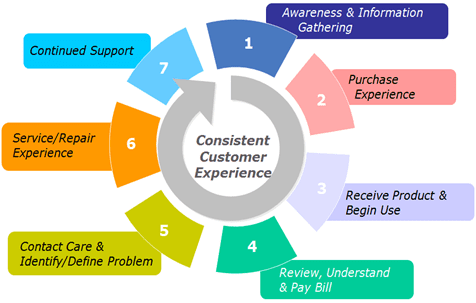
Customer Journey Mapping is the process of visually representing every interaction a customer has with your business—from discovering your brand to becoming a loyal customer.
Instead of looking only at sales data, journey mapping focuses on the customer's perspective.
It answers questions like:
- How do customers find us?
- What problems are they trying to solve?
- Where do they experience frustration?
- What motivates them to buy?
- Why do they leave without converting?
The goal is to understand the complete customer experience so businesses can remove obstacles and improve satisfaction.
Why Customer Journey Mapping Matters
Modern customers expect convenience, speed, and personalization.
If your digital experience doesn't meet expectations, they'll quickly move elsewhere.
Benefits include:
- Better customer satisfaction
- Higher conversion rates
- Increased customer retention
- Reduced customer support requests
- Improved user experience (UX)
- Stronger brand loyalty
- Better marketing performance
- More informed business decisions
Simply put, understanding customers leads to better business outcomes.
Stages of the Customer Journey
Most customer journeys follow five major stages.
1. Awareness
Customers discover your business through:
- Google Search
- Social media
- Paid ads
- Referrals
- Blog content
- Email campaigns
At this stage, people are looking for solutions—not necessarily your product.
2. Consideration
Now customers compare different businesses.
They may:
- Read reviews
- Visit your website
- Watch videos
- Compare pricing
- Download resources
A poor digital experience here can stop the journey.
3. Decision
The customer decides whether to purchase.
Factors influencing the decision include:
- Website speed
- Trust signals
- Easy checkout
- Customer testimonials
- Product information
- Support availability
4. Retention
The relationship doesn't end after purchase.
Customers expect:
- Helpful onboarding
- Easy account management
- Quick customer support
- Personalized communication
Satisfied customers return.
5. Advocacy
Happy customers become brand ambassadors.
They may:
- Leave reviews
- Refer friends
- Share experiences online
- Recommend your services
Advocacy is often the most valuable marketing channel.
Key Components of a Customer Journey Map
A complete journey map includes several important elements.
Customer Persona
Who is the customer?
Understand:
- Goals
- Needs
- Challenges
- Demographics
- Behavior
Customer Goals
What is the customer trying to accomplish?
Example:
A visitor wants to book a software consultation in under five minutes.
Touchpoints
Touchpoints are every interaction customers have with your business.
Examples include:
- Website
- Mobile app
- Live chat
- Social media
- Customer support
- Online ads
Customer Emotions
Customers experience different emotions throughout their journey.
Examples:
- Excitement
- Curiosity
- Frustration
- Trust
- Satisfaction
Understanding emotions helps improve experiences.
Pain Points
Pain points are obstacles preventing success.
Examples include:
- Slow website
- Difficult navigation
- Confusing forms
- Long checkout
- Poor mobile experience
Opportunities
Each pain point creates an opportunity for improvement.
Customer Journey Mapping Example
| Stage | Customer Action | Emotion | Opportunity |
|---|---|---|---|
| Awareness | Searches Google | Curious | Publish educational content |
| Consideration | Reads website | Interested | Improve website navigation |
| Decision | Completes checkout | Confident | Simplify payment process |
| Retention | Uses product | Happy | Send helpful onboarding emails |
| Advocacy | Shares review | Loyal | Offer referral rewards |
How Customer Journey Mapping Improves Digital Experiences
Better Website Navigation
Journey maps reveal where users become confused.
Businesses can simplify menus, improve layouts, and reduce unnecessary clicks.
For companies planning modern web solutions, investing in professional Web Development Services can significantly improve user experience and website performance. You can explore
Improved Mobile Experience
More than half of digital interactions happen on smartphones.
Journey mapping identifies mobile-specific issues such as:
- Slow loading
- Small buttons
- Difficult forms
- Broken layouts
Optimizing these areas improves conversions.
Personalized Experiences
Customers expect personalization.
Journey maps help businesses deliver:
- Product recommendations
- Personalized emails
- Relevant offers
- Dynamic website content
Faster Customer Support
Customers shouldn't struggle to get help.
Journey mapping helps identify where support is needed most.
Businesses can implement:
- Chatbots
- Knowledge bases
- Live chat
- Self-service portals
Better Marketing Campaigns
Understanding customer behavior allows marketers to send the right message at the right time.
Campaigns become more relevant and achieve higher engagement.
Practical Example
Imagine an online clothing store.
Without journey mapping:
- Customers abandon carts
- Mobile users leave quickly
- Checkout is confusing
After mapping the journey, the business discovers:
- Shipping costs appear too late
- Payment options are limited
- Mobile checkout has too many fields
After fixing these issues:
- Cart abandonment drops
- Customer satisfaction increases
- Sales improve significantly
Small improvements create measurable business growth.
Steps to Create an Effective Customer Journey Map
Step 1: Define Your Goals
Decide what you want to improve.
Examples:
- More conversions
- Better retention
- Improved onboarding
- Reduced support tickets
Step 2: Build Customer Personas
Use real customer data.
Consider:
- Age
- Industry
- Behavior
- Needs
- Challenges
Step 3: Identify Customer Touchpoints
List every interaction from discovery to post-purchase.
Step 4: Gather Customer Data
Collect information from:
- Analytics
- Surveys
- Customer interviews
- Heatmaps
- CRM systems
- Support tickets
Step 5: Find Pain Points
Identify where customers struggle.
Focus on removing friction.
Step 6: Improve the Experience
Test improvements continuously.
Customer expectations constantly evolve.
Tools for Customer Journey Mapping
Popular tools include:
- Miro
- Figma
- Lucidchart
- Microsoft Visio
- UXPressia
- Smaply
- Google Analytics
- Hotjar
Combining visualization tools with analytics provides deeper customer insights.
Common Mistakes Businesses Make
Many organizations create journey maps but fail to achieve meaningful improvements.
Avoid these mistakes:
- Assuming instead of researching
- Ignoring customer feedback
- Creating overly complicated maps
- Forgetting mobile users
- Not updating journey maps regularly
- Focusing only on sales instead of the complete experience
- Ignoring emotional responses
- Working in departmental silos
Best Practices for Customer Journey Mapping
To maximize success:
- Base decisions on real customer data.
- Involve marketing, sales, customer support, and product teams.
- Update journey maps regularly.
- Prioritize high-impact pain points first.
- Test every improvement.
- Measure results continuously.
- Focus on customer emotions—not just actions.
- Keep the journey simple and friction-free.
How Technology Enhances Customer Journey Mapping
Modern technologies are making journey mapping smarter.
Businesses increasingly use:
- Artificial Intelligence
- Predictive Analytics
- Behavioral Analytics
- Marketing Automation
- Customer Data Platforms (CDPs)
If you're looking to integrate automation and intelligent customer experiences, partnering with experts in AI Development Services can help build personalized digital solutions tailored to your business needs:
These technologies provide deeper insights and enable highly personalized customer interactions at scale.
Key Takeaways
- Customer Journey Mapping helps businesses understand every customer interaction.
- It identifies pain points that reduce customer satisfaction.
- Better digital experiences lead to higher conversions and stronger loyalty.
- Journey maps should be based on real customer data rather than assumptions.
- Continuous testing and optimization are essential for long-term success.
- Personalization, mobile optimization, and seamless support significantly improve customer experiences.
- Technology such as AI and analytics enhances journey mapping and decision-making.
Conclusion
Today's customers expect seamless, personalized, and efficient digital experiences across every touchpoint. Businesses that fail to understand their customers' journeys risk losing valuable opportunities to competitors.
By investing in Customer Journey Mapping, organizations gain a clearer understanding of customer behavior, uncover hidden pain points, and create experiences that build trust, loyalty, and long-term growth.
Whether you're optimizing a website, launching a mobile application, or improving customer support, journey mapping provides the insights needed to make smarter decisions and deliver exceptional digital experiences.
Call to Action
Ready to transform your customer experience?
Map your customer journey, identify every friction point, and optimize each interaction to deliver seamless digital experiences. Whether you're enhancing your website, implementing AI-driven personalization, or modernizing your digital platforms, the right strategy can significantly improve customer satisfaction and business growth. Start optimizing today and create experiences your customers will remember.
Frequently Asked Questions (FAQs)
1. What is Customer Journey Mapping?
Customer Journey Mapping is the process of visualizing every interaction customers have with a business to improve their overall experience.
2. Why is Customer Journey Mapping important?
It helps businesses identify customer pain points, improve digital experiences, increase conversions, and strengthen customer loyalty.
3. How often should a customer journey map be updated?
Businesses should review and update journey maps regularly, especially after launching new products, redesigning websites, or observing changes in customer behavior.
4. What is the difference between a customer journey map and a user flow?
A customer journey map covers the complete customer experience across multiple touchpoints, while a user flow focuses on specific interactions within a website or application.
5. Which industries benefit from Customer Journey Mapping?
Almost every industry—including eCommerce, healthcare, finance, education, SaaS, travel, and retail—can benefit from improving customer experiences.
6. What tools are commonly used for Customer Journey Mapping?
Popular tools include Miro, UXPressia, Lucidchart, Smaply, Hotjar, Google Analytics, and Figma.
7. How does AI improve Customer Journey Mapping?
AI analyzes customer behavior, predicts future actions, personalizes experiences, and helps businesses make data-driven improvements.
8. Can small businesses use Customer Journey Mapping?
Absolutely. Even simple customer journey maps can help small businesses understand customer needs, improve service quality, and increase conversions.